1729
The Origin of a Momentous Mission
The history of this emblematic plot begins with the arrival in Santa María del Buen Ayre of Father Ladislao Orozco, a Hungarian noble and member of the Jesuit Congregation. With a brilliant academic trajectory, Orozco taught Philosophy at the prestigious Colegio de Montserrat in Córdoba—where he taught the renowned Funes brothers—and served twice as Rector of both that institution and the historic Colegio San Ignacio.
1745
Construction of the Complex and Convictorio
The construction of the imposing Jesuit complex officially begins, whose original structure covered the blocks currently bounded by Carlos Calvo, San Juan, Defensa, and Balcarce streets. The design integrated the school, church, order's rooms, and apothecary. The plot the gallery occupies today was a living part of that original infrastructure, functioning as the Convictorio, the distinguished residential space destined for the life and study of young students.
1767
Bethlemite Custody and the City Hospital
Following the banishment of the Jesuit order, the property passed into the hands of the Bethlemite monks. Under their administration, the complex took on a new function of enormous social value for the community, establishing a Hospital next to the Church that remained active and provided key services until the time of Independence.
19th Century
Transition and Institutional Vocation
With the advent of the independent era, the property entered the orbit of private ownership. During the 19th century, the solid colonial structures remained linked to the community development of the neighborhood, temporarily housing an educational institution before definitively returning to private hands.
c. 1900
Witness to Urban Identity
At the beginning of the century, accompanying profound social transformations and large migratory waves that redefined Buenos Aires, the large mansions on the plot changed their appearance to become two active tenement houses. For decades, the colonial walls sheltered the experiences, cultures, and efforts of the immigrants who forged the mystique and heritage of San Telmo.
1968
The Arrival of the Pardo Family
The building's destiny took a fundamental strategic turn when it was acquired by Román Francisco Pardo, son of José Pardo Aragués, the famous founder of the emblematic and historic commercial firm "Casa Pardo". With this acquisition, the property recovered its prestigious profile and began to project itself toward the preservation of its heritage value.
1992
Historical Recycling
At the end of 1992, an ambitious architectural restoration and enhancement project was crowned, carried out under the direction of Architect Hugo Jorge Fechino. The work was rigorously advised by the Commission for the Preservation of Historical Areas of the City of Buenos Aires, successfully rescuing and displaying the imposing original early-century facade in all its magnitude.
2006
La Candelaria
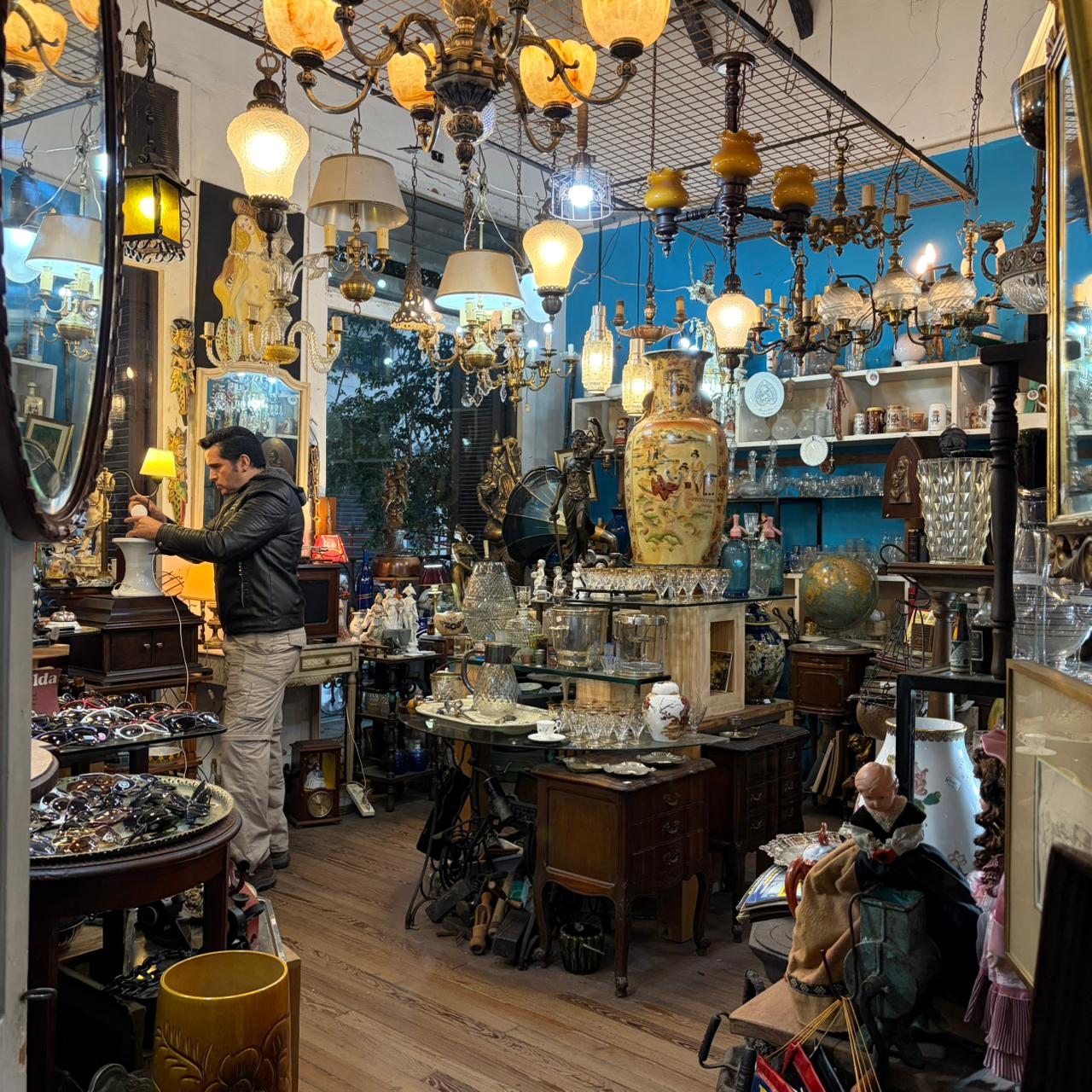
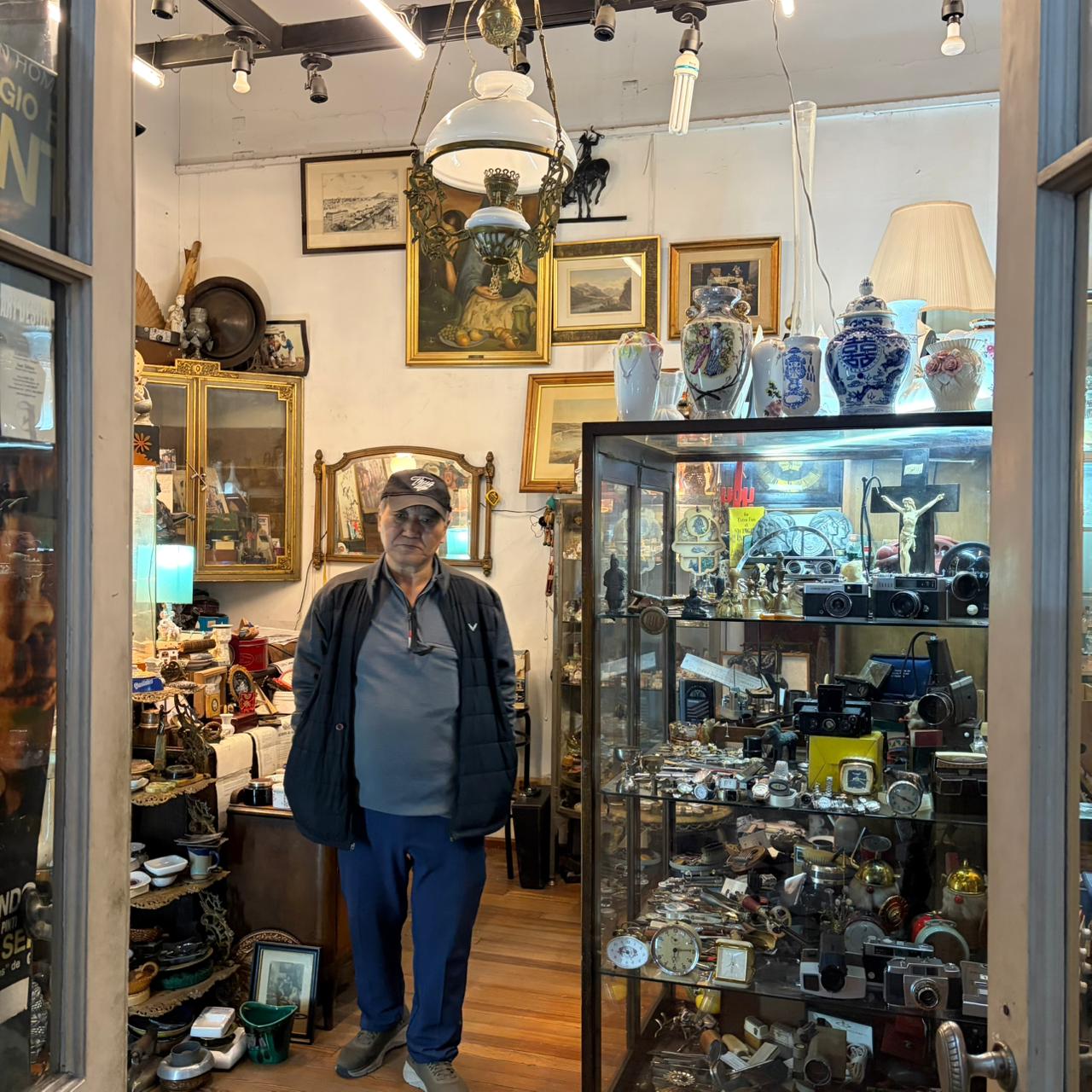
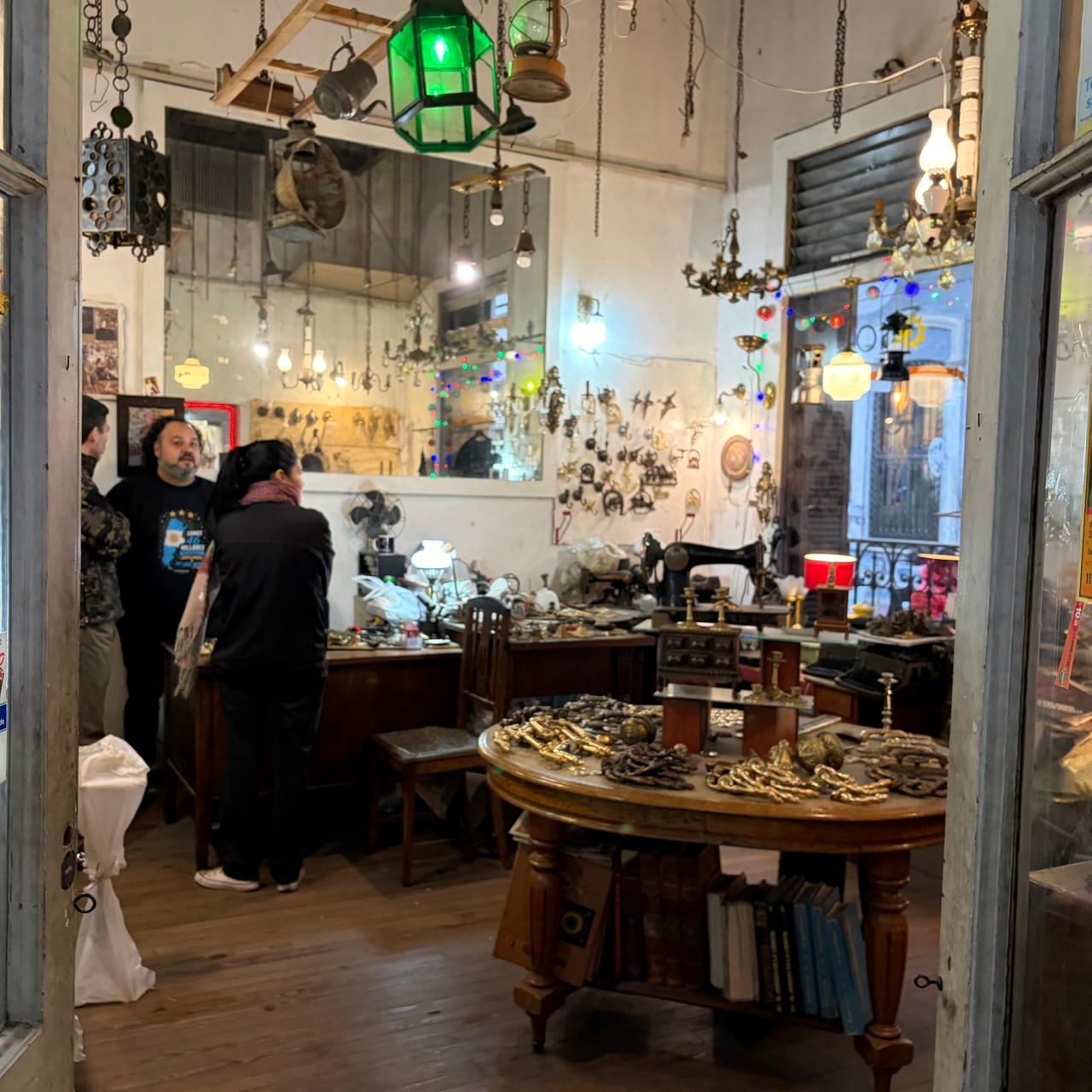
In 2006, the property passed into the hands of the renowned notary Armando José Verni. Under his vision and custody, the plot began a stage of profound institutional renewal and safeguarding, formally transforming into a distinguished art and antiques gallery.
 La Candelaria